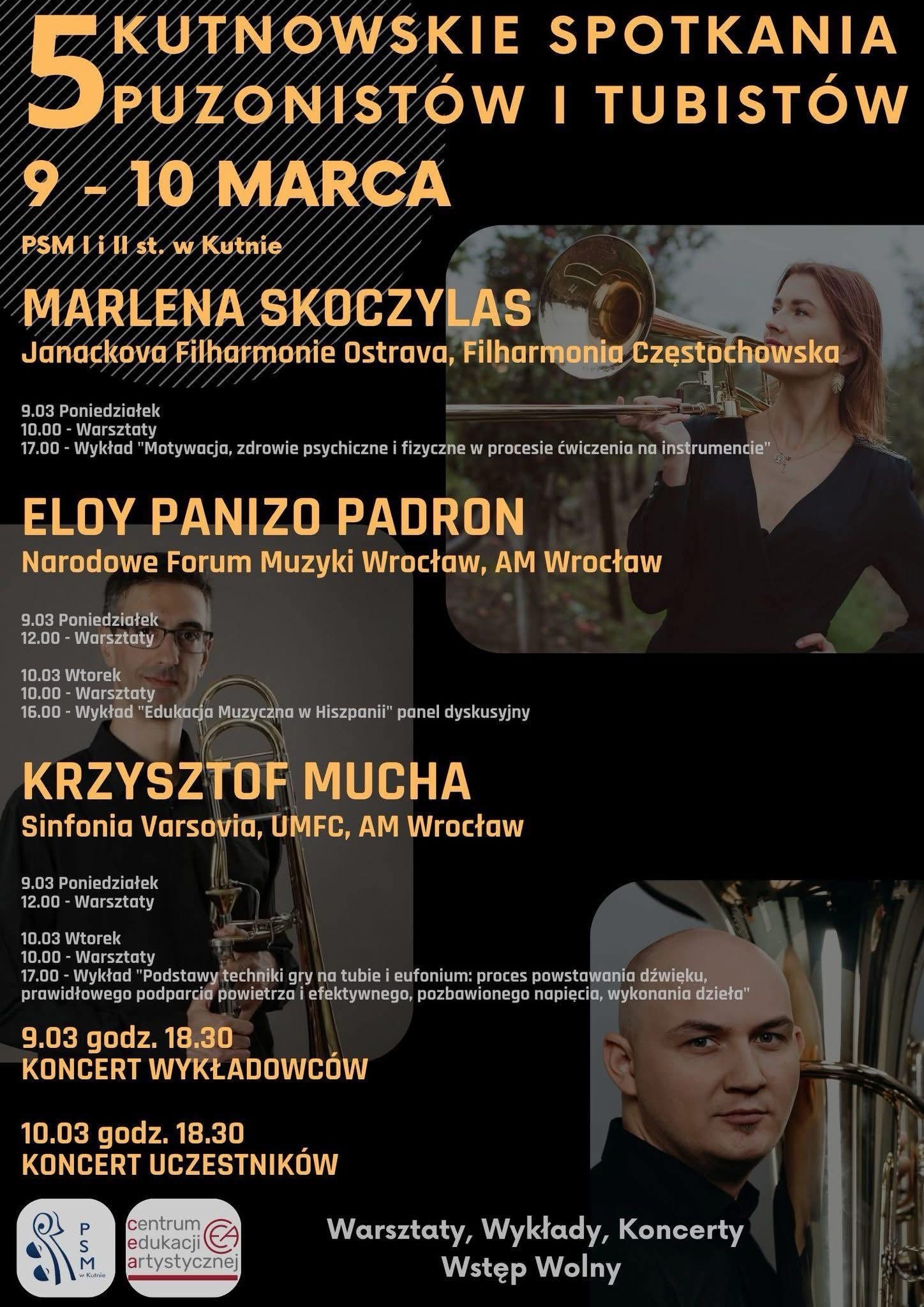
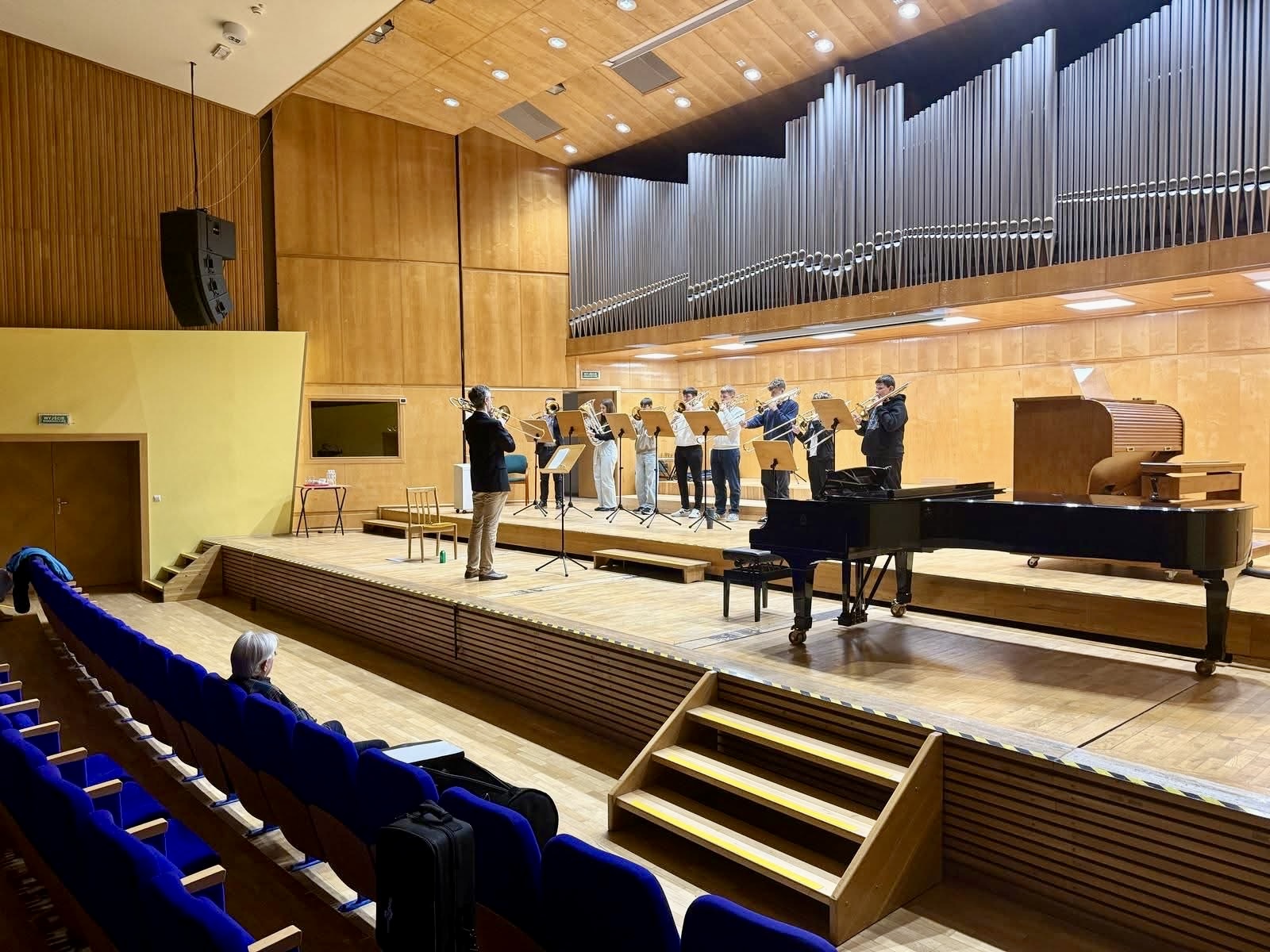
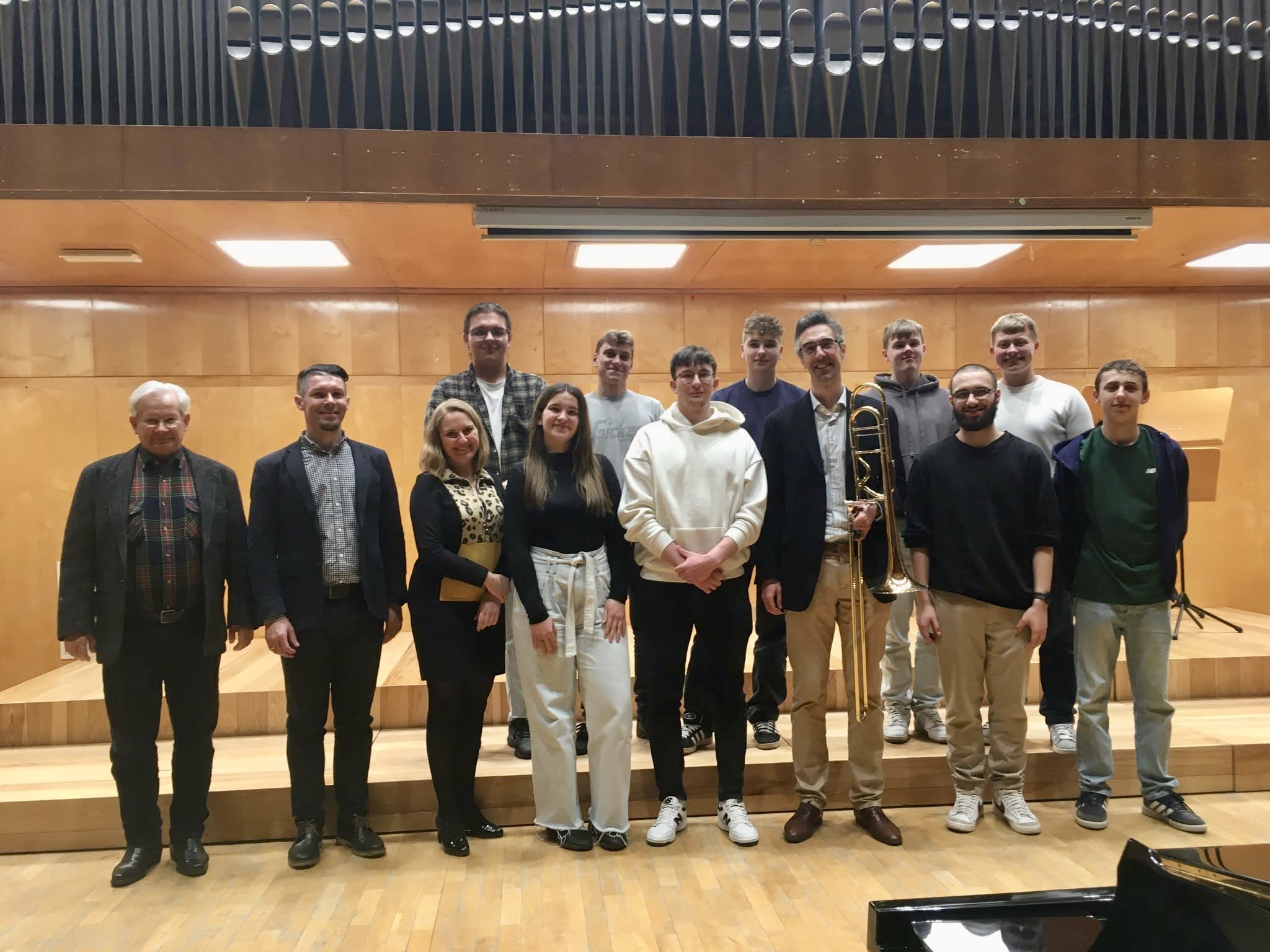
I was honored to take part in this year’s V Kutnowskie Spotkania Puzonistów i Tubistów, a biennial gathering for young trombonists and tubists, hosted at the Państwowa Szkoła Muzyczna I i II stopnia im. Karola Kurpińskiego in Kutno.
Across two intensive days we led masterclasses, warm‑up sessions, lectures, and concerts in a beautiful setting. I felt real energy and curiosity from the students and a warm welcome from the organizers, fellow artists, and audience. The exchange left me inspired and grateful for what I learned in conversation and in the room.
It was a pleasure to teach alongside Marlena Skoczylas and Krzysztof Mucha, colleagues I’ve known for some time and was glad to meet again.
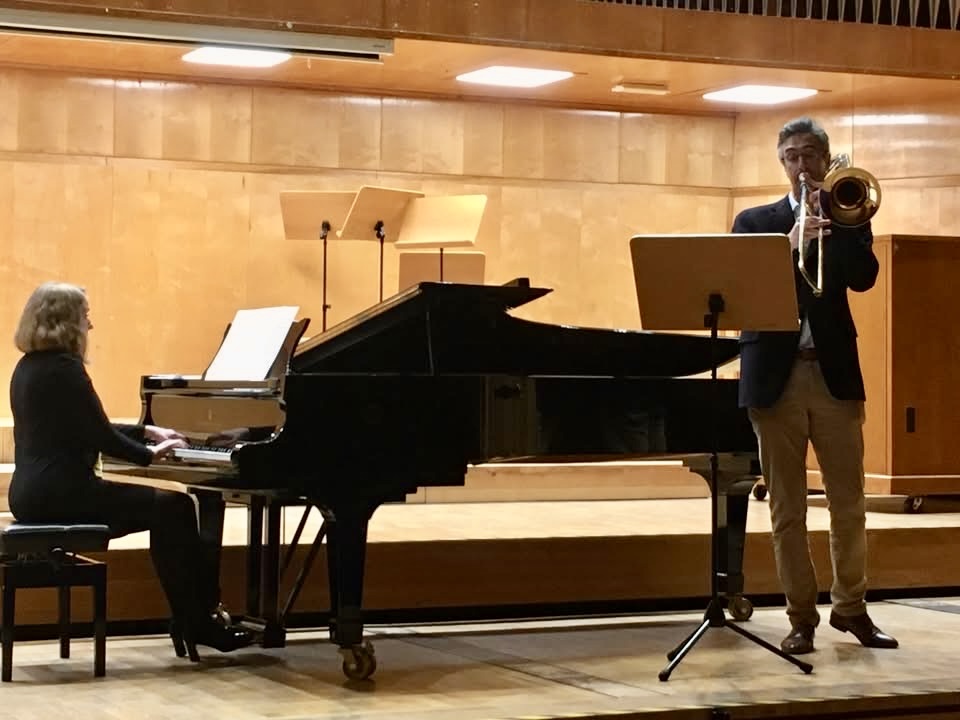
My thanks to director Małgorzata Musiałowska and trombone teacher Radek Szulc for the invitation, and to pianist Paulina Sulewska for her excellent playing during our faculty concert. I wish everyone involved continued success with future editions of this inspiring event.
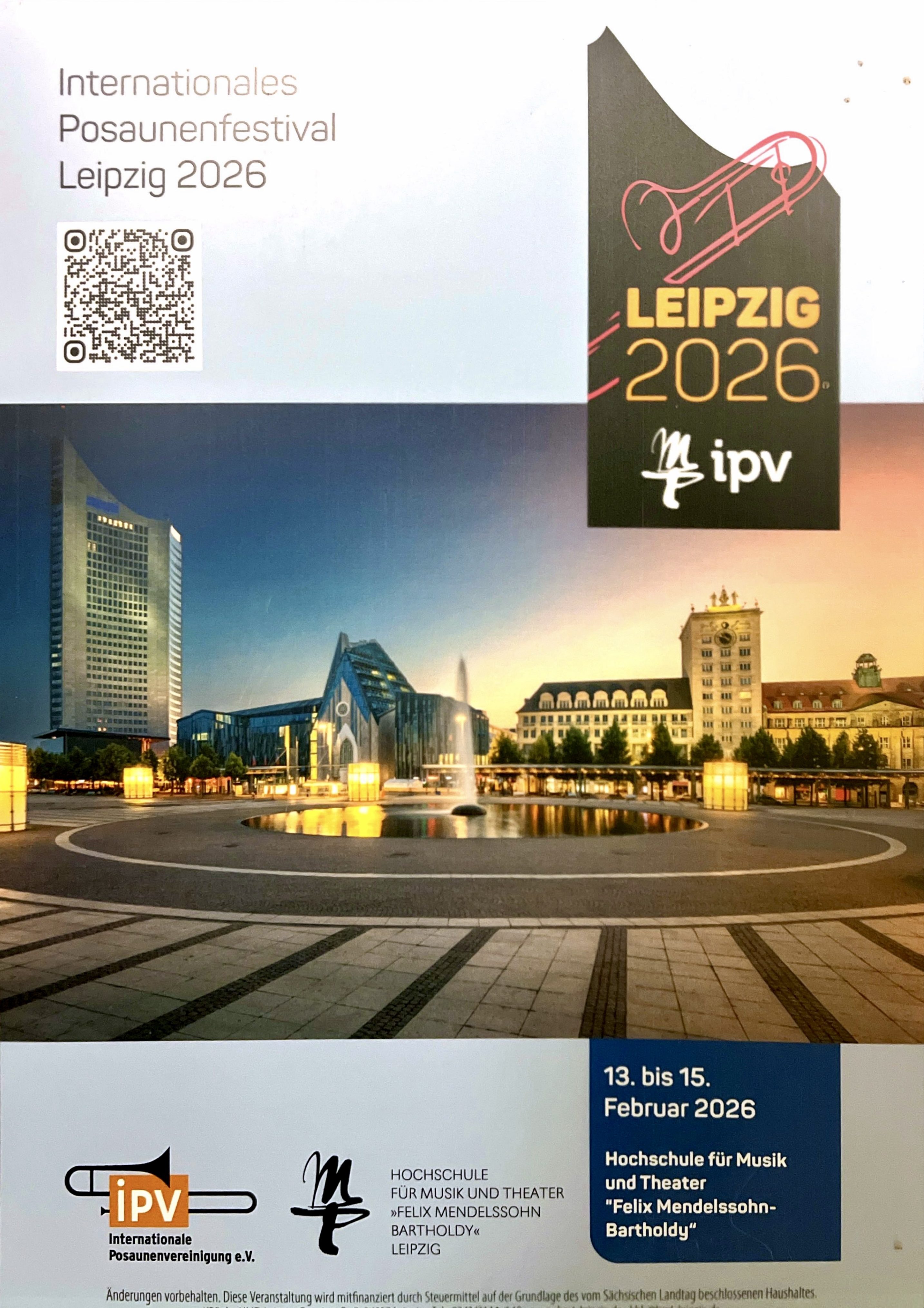
From February 13 to 15, I had the distinct pleasure of performing and teaching at the International Trombone Festival organized by the Internationale Posaunenvereinigung and hosted by the Hochschule für Musik und Theater »Felix Mendelssohn Bartholdy« Leipzig.
The festival presented a comprehensive and thoughtfully curated program, including concerts, lectures, instrument exhibitions, museum visits, warm-up sessions, and individual lessons. It created a stimulating environment in which performers, educators, and students could exchange ideas, deepen their artistic perspectives, and celebrate the versatility of the trombone.
Leipzig itself added a profound dimension to the experience. As a city of immense musical heritage, closely associated with Johann Sebastian Bach and Felix Mendelssohn, it stands as one of Europe’s great cultural centers. Being immersed in such a historically significant setting served as a powerful reminder of the traditions that continue to shape our artistic work today.
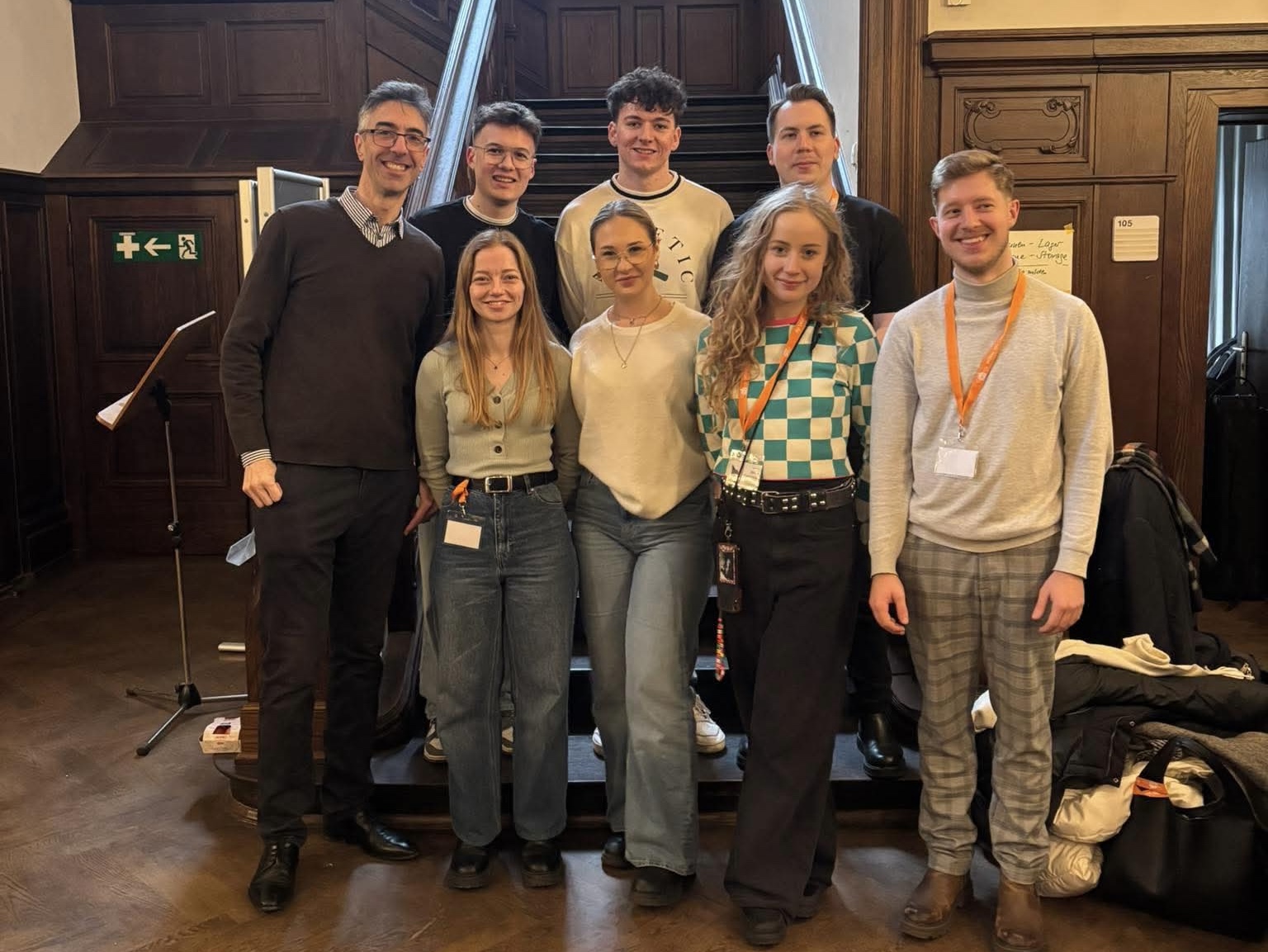
I was particularly proud that the Karol Lipiński Academy of Music in Wrocław Trombone Class was invited to participate. Their involvement was made fully possible through the Erasmus Programme, which continues to play a vital role in fostering meaningful international collaboration. Trombone classes from Prague and Brno also benefited from this opportunity, further strengthening the spirit of exchange that defined the festival.
The Karol Lipiński Academy of Music in Wrocław Trombone Class. First row: (L-R) Klaudia Adamczyk, Hania Szarańczak, Emilia Francuziak, Wojciech Giłka. Second row: (L-R) Igor Majchrzak, Szymon Szymański, Dawid John. Not in the picture: Tymoteusz Otto, teachers Tomasz Hajda and Wojciech Prokopowicz
The students and faculty of the Wrocław studio not only took part in the educational activities but also performed in concert as part of the festival program. In addition, a larger combined ensemble was organized to give two performances in the city, bringing our shared work into the public sphere. These appearances reflected both the artistic level of the participants and the strong sense of community that developed throughout the event.
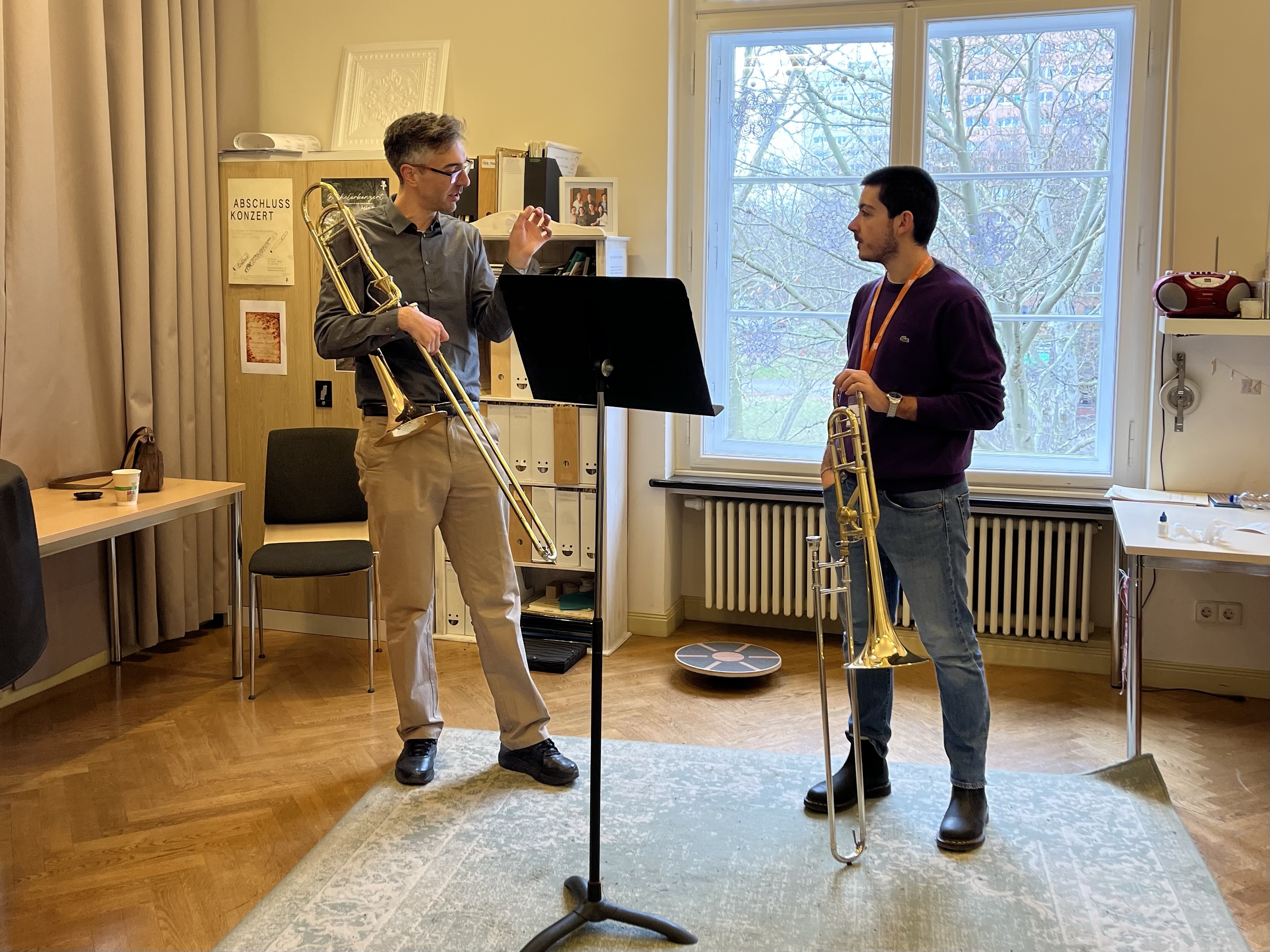
During these three intensive days, I had the privilege of teaching festival participants as well as conservatory students from Prague, Bern, Düsseldorf, and Leipzig. The commitment, openness, and musical curiosity I encountered were deeply inspiring.
I would like to express my sincere gratitude to Prof. Thomas Leyendecker, IPV President Louise Pollock, Sebastian Krause, Andreas Zach, and everyone whose dedication and vision made this festival possible. It was an honor to contribute to such a meaningful event in a city whose musical legacy continues to resonate so strongly.
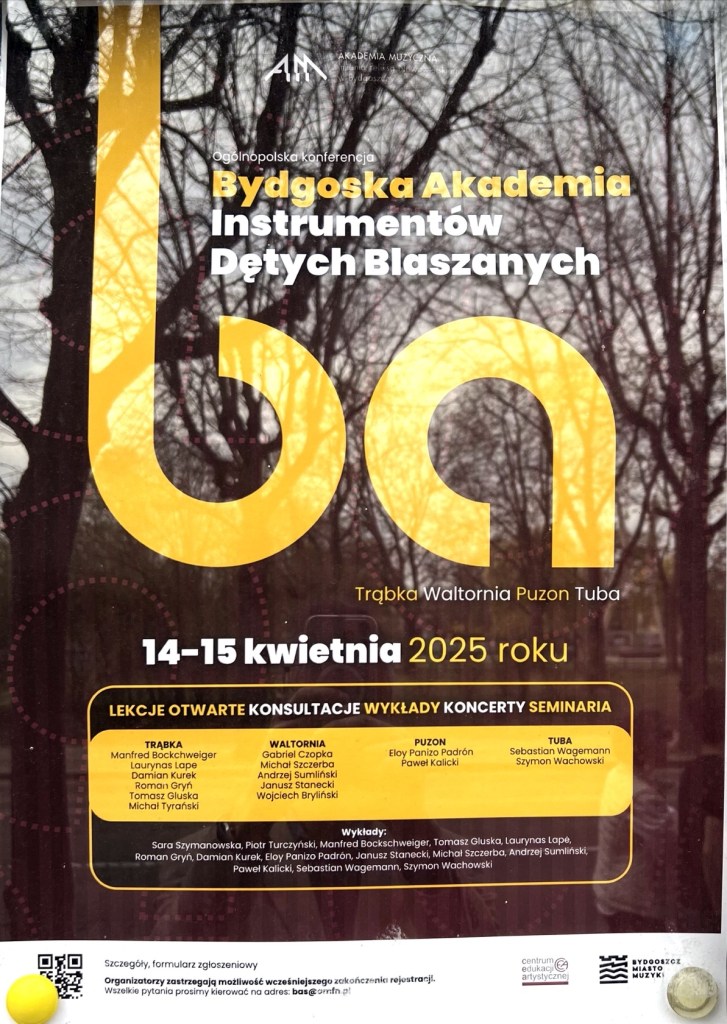
It was a pleasure to take part in the inaugural edition of the Bydgoska Akademia Instrumentów Dętych Blaszanych, hosted by the Feliks Nowowiejski Academy of Music. This event brought together brass musicians and educators from around Europe, fostering an international atmosphere rich in inspiration and artistic exchange.
I was honoured to deliver my lecture about how to warm up efficiently, a topic that has remained central to my development as a musician. The approach I presented stems from my formative experiences at the Rotterdam Conservatory, where daily morning warm-ups led by professors and advanced students played a vital role in shaping both my discipline and musical foundation. In the lecture, I outlined several key principles of an effective warm-up:
• Emphasising core fundamentals such as breath control, embouchure flexibility, and articulation
• Treating the warm-up as a focused quality control session, not merely a habit
• Employing tools like the metronome and tuner to cultivate precision and consistency
• Designing the session to be concise yet comprehensive, balancing coverage with sustainability—my personal routine lasts approximately 30 minutes
• Allowing for mental clarity and adequate rest, while avoiding physical tension
• Using exercises that gently but intentionally prepare the body for practice and performance
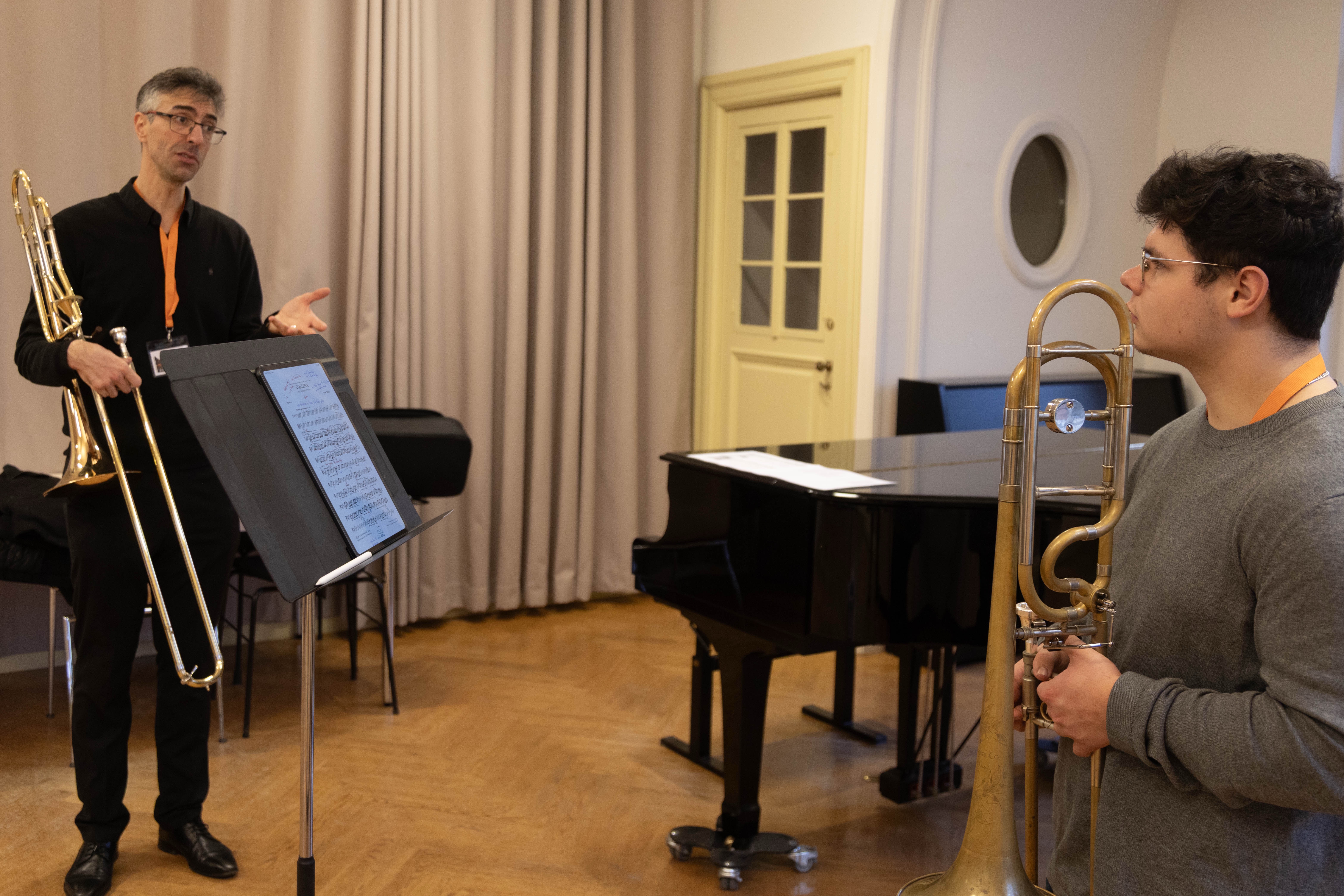
This presentation was followed by a day of individual lessons, during which I had the opportunity to work closely with trombone students. Our sessions addressed key aspects such as posture, breath support, tone quality, and musical phrasing.
A highlight of the event was the Final Concert, which featured outstanding performances by faculty members representing Lithuania, Germany, Poland, and myself from Spain. It was a privilege to perform alongside such esteemed colleagues in front of a hall filled with enthusiastic and engaged students.
The experience was further enriched by a tour of the Academy’s impressive new campus, a testament to Bydgoszcz’s growing role as a cultural hub and its commitment to fostering future generations of musicians.
Equally memorable was the charm of Bydgoszcz itself—a city steeped in history and known for its deep appreciation of the arts.
I extend my sincere thanks to Paweł Kalicki for his kind invitation, and the gracious hospitality extended to all participants. This first edition of the Bydgoszcz Brass Academy was a resounding success, and I look forward to the possibility of returning for future editions marked by continued learning, collaboration, and musical growth.
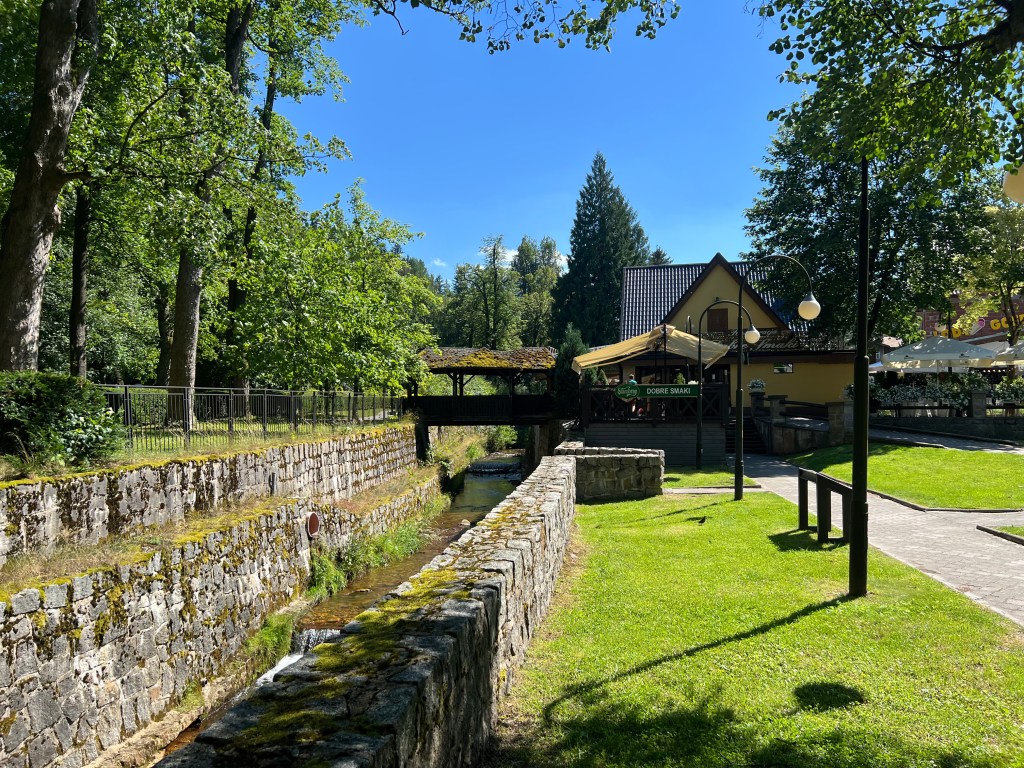
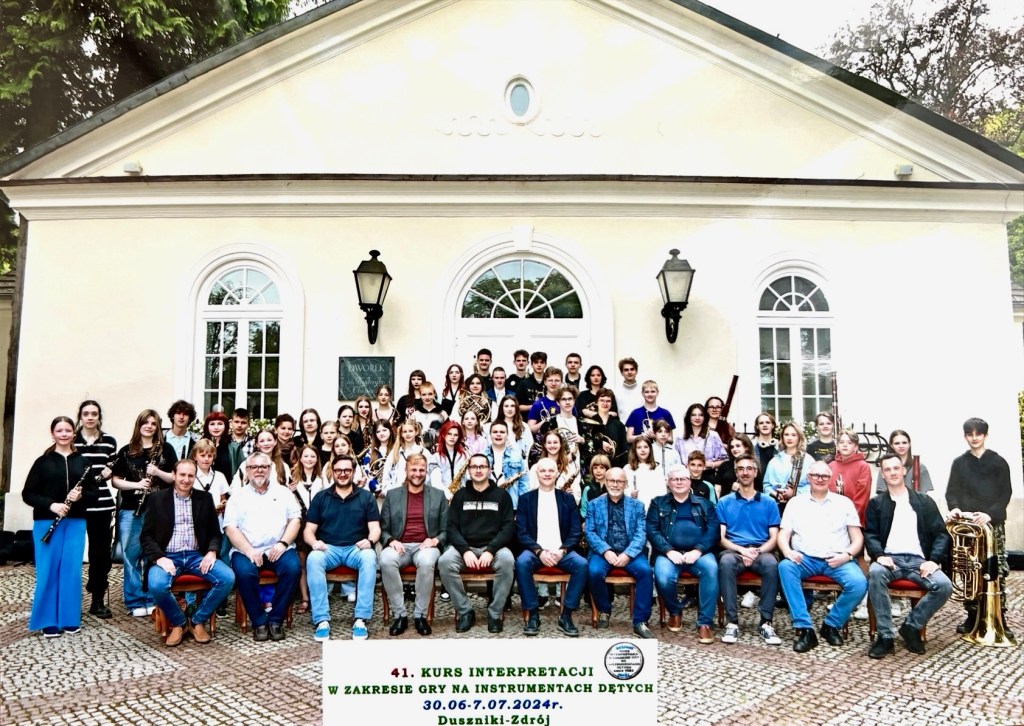
Z radością informuję, że będę miał przyjemność uczyć puzonu, eufonium oraz tuby podczas 42. Kursu interpretacji w zakresie gry na instrumentach dętych, który odbędzie się w dniach 6–13 lipca 2025 w Dusznikach Zdroju. To wydarzenie, które od 1981 roku przyciąga pełnych pasji studentów, uczniów, nauczycieli i przyszłych artystów.
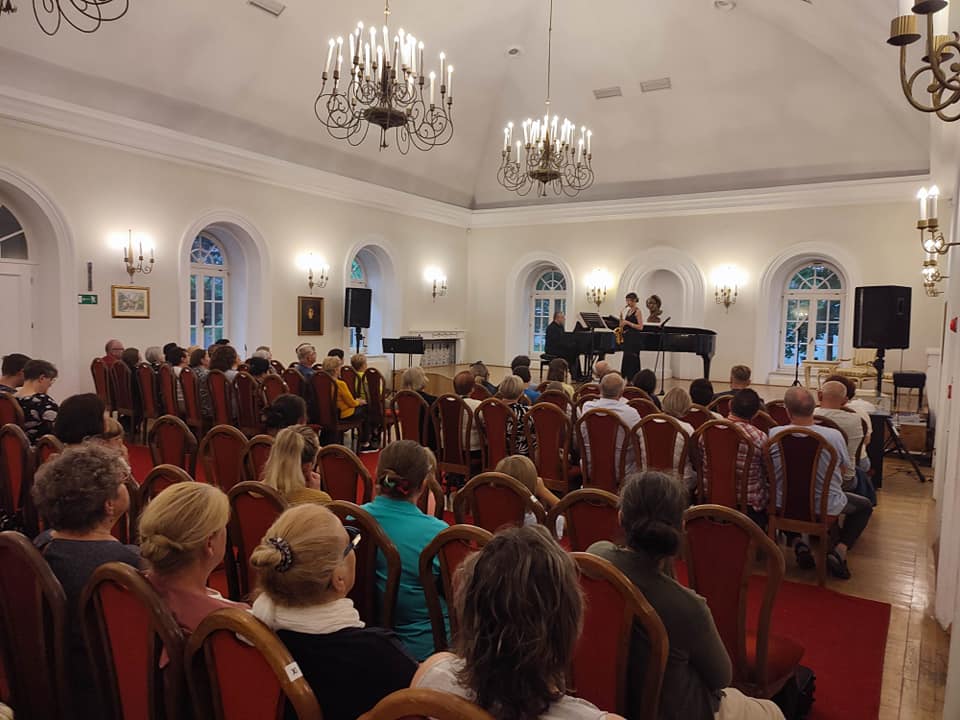
Wszystko rozpocznie się 6 lipca o godzinie 16.00 Koncertem Inauguracyjnym Pedagogów w historycznym Teatrze Zdrojowym im. F. Chopina (Dworek Chopina). Po koncercie odbędzie się spotkanie z uczestnikami według określonych grup, w celu ustalenia tygodniowego harmonogramu.
W trakcie trwania kursu będę pracował z uczestnikami podczas codziennych lekcji indywidualnych, a także poprowadzę grupowe rozgrzewki każdego ranka. Sesje te będą skupiały się na ulepszaniu techniki i muzykalności, jednocześnie umożliwiając pracę nad materiałem na nadchodzący rok szkolny i akademicki. Przedstawię również moje metody rozgrywania, które obejmują ćwiczenia oddechowe, ćwiczenie na ustniku, technikę suwaka i ogólne zdrowe nawyki gry.
Tydzień oferuje wiele muzycznych doświadczeń, w tym:
Sesje rozgrzewkowe
Lekcje indywidualne
Codzienne ćwiczenia z akompaniamentem
Publiczne koncerty wieczorne dla uczestników
Zajęcia muzyki kameralnej
Próby orkiestry dętej, wraz z Koncertem Finałowym 13 lipca o 16:00
Uczniowie dodatkowo mogą zapoznać się z bogatą lokalną kulturą, dokładając kolejną warstwę wrażeń do tego jakże inspirującego tygodnia.
Jeśli chcesz rozwijać się muzycznie, odkrywać nowy repertuar i nawiązywać kontakty z wieloma artystami, z chęcią spotkam się z Wami tego lata w Dusznikach Zdroju. Będzie to pracowity oraz satysfakcjonujący tydzień, który spędzimy na wspólnym tworzeniu i odkrywaniu muzyki.
Aby zapisać się lub uzyskać więcej informacji, skontaktuj się z Kierownikiem Kursu Andrzejem Łuckim pod adresem andrzej_lucki@wp.pl lub pod numerem telefonu +48 509 056 772. Termin zgłoszeń: 31 maja 2025 r.
I’m thrilled to share that I’ll be teaching trombone, euphonium, and tuba at this year’s 42nd Interpretation Course in the Field of Playing Wind Instruments, happening July 6–13, 2025, in the beautiful spa town of Duszniki Zdrój. Held as part of the celebrated Instrumental Music Days, this course has been attracting passionate students, teachers, and up-and-coming artists since 1981.
Things kick off on July 6 at 4:00 PM with the Inaugural Concert by the pedagogues, set in the historic F. Chopin Spa Theatre. Following the concert, we’ll meet with our participants by specialty to set up the week’s schedule.
Throughout the course, I’ll be working one-on-one with trombone, euphonium, and tuba students during daily individual lessons, and leading group warm-ups each morning. These sessions will focus on strengthening technique and musicality, while preparing material for the upcoming academic year. I’ll also be sharing my usual warm-up routine—covering breath control, embouchure work, slide precision, and overall healthy playing habits.
The week offers a full musical experience, including:
Warm up sessions
Individual lessons
Daily performance practice with accompaniment
Public evening concerts for participants
Chamber coaching, with brass and trombone ensemble work
Wind Band sessions, wrapping up with the Final Concert on July 13 at 4:00 PM
Outside the classroom, students can take in the rich local culture, adding another layer to this already inspiring week.
If you’re looking to grow musically, explore new repertoire, and connect with like-minded players, I’d love to see you in Duszniki Zdrój this summer. It’s going to be a rewarding week of music-making and discovery.
To register or get more info, contact Course Manager Andrzej Łucki at andrzej_lucki@wp.pl or +48 509 056 772. Registration Deadline: May 31st 2025.
This year, I had the pleasure of participating in the International Symposium for Wind Instruments at the Academy of Music in Łódź. It was an honour to be part of such a committed and accomplished faculty, engaging in a deep exploration of orchestral playing and brass performance. The opportunity to work closely with dedicated trombone students and educators from both the secondary and university levels made the experience particularly meaningful.
Throughout the day, I was fortunate to conduct a series of individual lessons, offering the chance to focus in depth on topics such as posture, tone production, and interpretive approaches to pedagogical trombone repertoire and orchestral excerpts. It was especially rewarding to witness the students’ openness to guidance, demonstrating a strong commitment not only to technical refinement but also to expressive development.
The afternoons featured a series of lectures and panel discussions, covering a broad range of subjects including strategies for managing performance anxiety, audition preparation, and the integration of orchestral studies into daily practice routines. The diversity of perspectives presented by the faculty contributed to an enriching and intellectually stimulating environment.
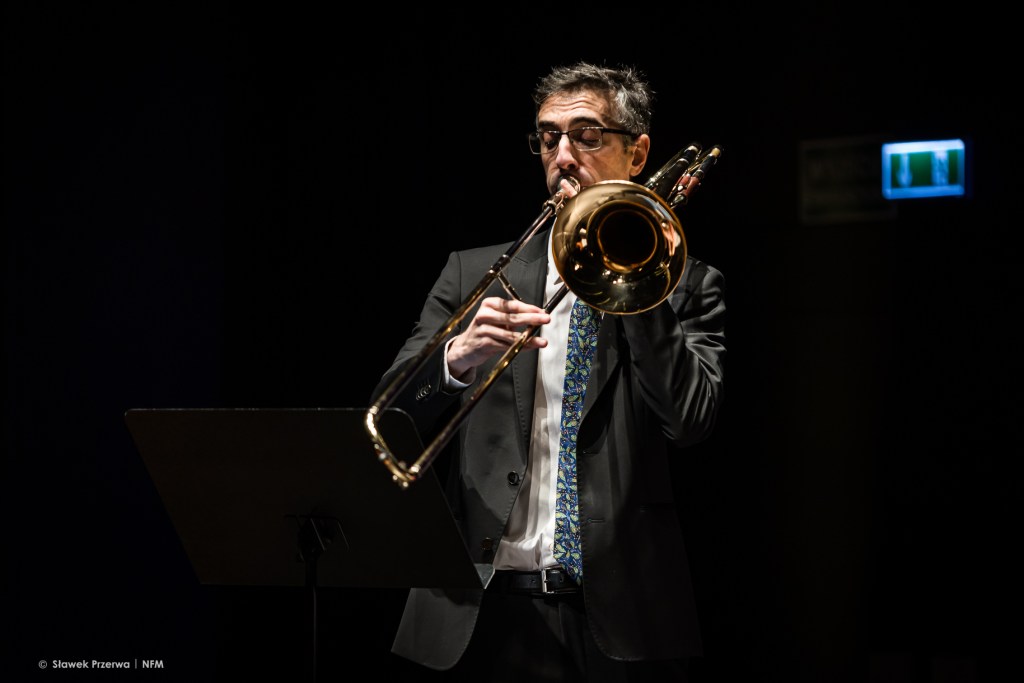
The weekend concluded with a concert featuring both faculty and participants, a fitting finale to two days of focused and fulfilling music-making. I am pleased to share a recording of my performance during the final concert alongside the fantastic pianist Marta Macierzyńska, whom I had the pleasure to work with.
My sincere thanks go to my fellow trombone colleagues Dariusz Sprawka, Robert Żelazko, and the outstanding organizer of the symposium, Sławomir Cichor, for their collegiality and musical insight. I’d also like to recognise the Academy of Music in Łódź for hosting such a well-curated and professionally executed event. Experiences like this continue to affirm the importance of community within our field, and the vital role that open exchange and shared artistry play in sustaining the evolution of our craft.
My recent visit to PSM I i II stopnia im. F. Chopina, in Opole was truly uplifting, it encompassed an inspiring blend of musical collaboration, focused mentorship, and genuine human connection. Spending the day with the school’s talented tenor and bass trombonists, along with the euphonium students, was both a pleasure and a privilege.
We started our day with a group warm-up session, where I shared my personal warm-up philosophy, which treats the routine as much more than a technical ritual. Together, we explored a detailed sequence aimed at activating key aspects of our playing: breath support, embouchure flexibility, clear articulation, and precise slide movement. I emphasised the value of working with a metronome and tuner, the importance of taking breaks, and the necessity of minimising tension. A good warm-up, in my view, does more than prepare us physically, it cultivates discipline, awareness, and the kind of habits that fuel lasting growth.
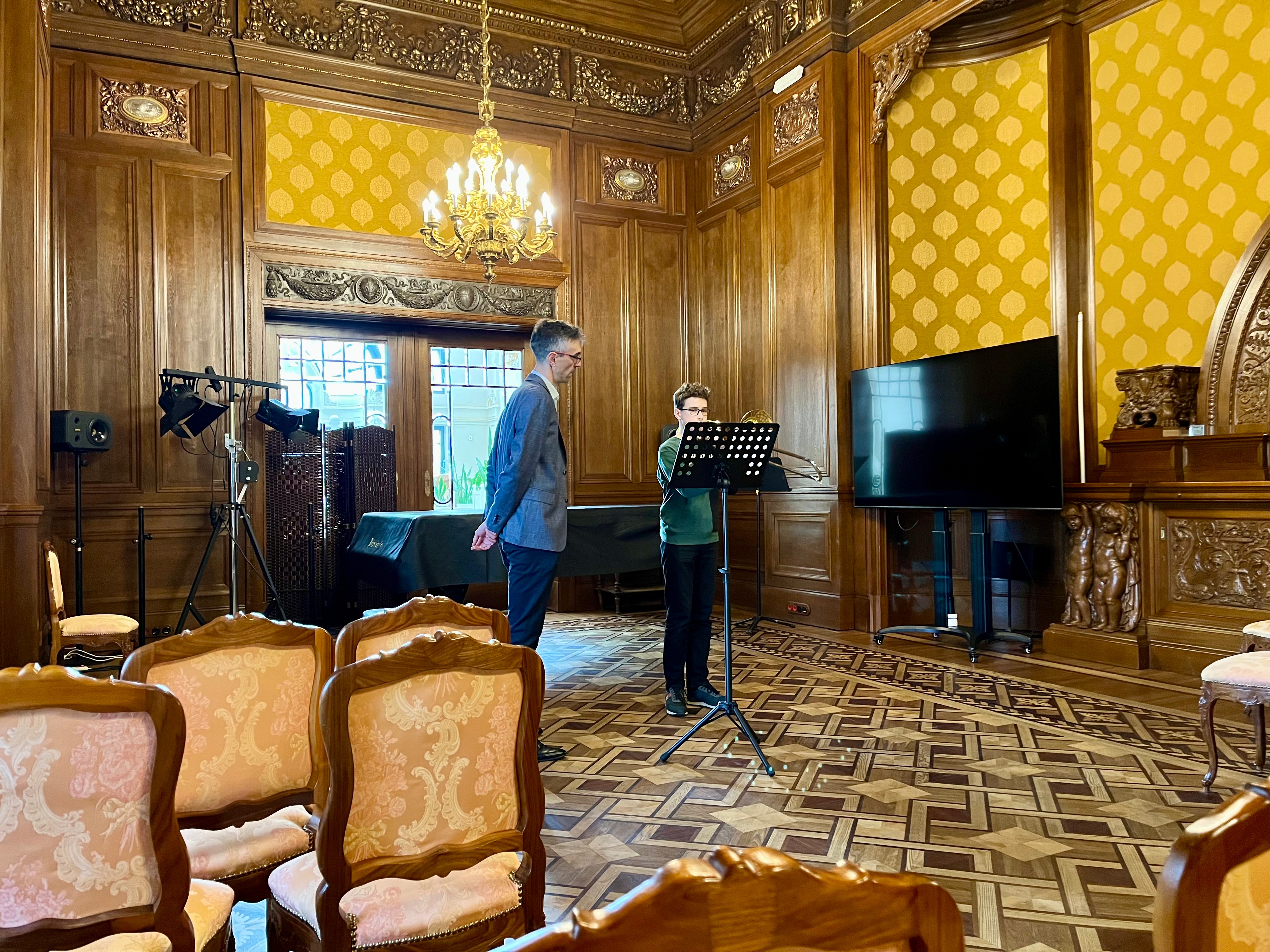
The afternoon was devoted to individual lessons. These one-on-one sessions allowed for deeper focus on elements like posture, embouchure, breathing, and interpretation. It was incredibly rewarding to witness the students’ receptiveness and commitment. Guiding them toward greater confidence and musical expression.
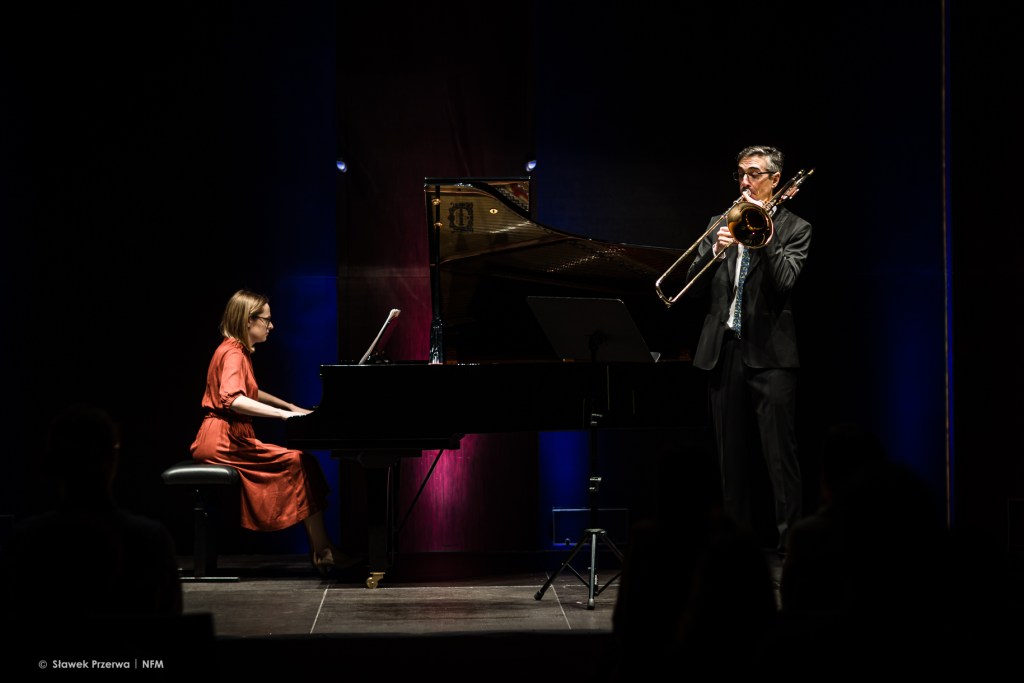
In the evening, I had the chance to perform a short recital, joined by the school’s trombone quartet. My performance featured works by Jorgensen, Galliard, and Low, each piece offering distinct textures and expressive opportunities as well as demonstrating the range and capabilities of the instrument as a solo voice. Sharing the stage with such promising young artists was a real highlight.
I’m deeply thankful to Professors Roland Mendel, Harald Powrósło, and Janusz Wyrwał for their warm invitation, excellent organization, and unwavering dedication to their students. Their efforts shine through in the vibrant, curious musical spirit I encountered all day.
I left Opole feeling energized and full of gratitude. I truly look forward to returning, continuing these meaningful exchanges.
The Blended International Project (BIP) Trombone event, held from November 29th to December 3rd, 2024, at the Royal Conservatory of Music in Madrid, was a truly inspiring celebration of musical collaboration and cultural exchange. Thanks to the generous support of the Erasmus+ program, funded by the European Union, this initiative provided an invaluable opportunity for students and educators from across Europe to come together, share knowledge, and grow both artistically and professionally.
Spearheaded by Professor Elies Hernandis, the event brought together students and faculty from six esteemed European conservatories—Copenhagen, Wroclaw, Liège, Salzburg, Karlsruhe, and Madrid. I had the privilege of contributing by leading a warm-up session, where I was able to demonstrate and discuss an aspect of trombone playing that I believe is deeply important. Additionally, I helped prepare the student ensemble for a performance of Eric Ewazen’s intricate and profoundly moving composition, Posaunenstadt—a piece that holds special significance for me. Watching the ensemble evolve over five days was immensely rewarding, as they embraced Ewazen’s lush harmonies and intricate phrasing with both precision and expressiveness.
A particularly meaningful part of this experience was collaborating with José Antonio Cubas, a dear friend and mentor whose guidance has significantly influenced my journey as a musician and educator. His insight and support have been a constant source of inspiration, making it especially rewarding to share this experience with him.
The event was further enriched by the participation of exceptional professors, including Jesper Juul Windahl, Dany Bonvin, Sándor Szabo, Simeón Galduf, José Antonio Cubas and Elies Hernandis. Each of them brought their unique expertise and artistry to the project, creating an engaging and dynamic learning environment that left a lasting impact on the students.
Of course, none of this would have been possible without Sara Erro’s dedication behind the scenes. Her meticulous planning, professionalism, and kindness ensured that everything ran smoothly. Her efforts allowed students and faculty to focus entirely on the music, making the event not only a success but an absolute pleasure to be part of.
The Erasmus+ program continues to be a driving force in fostering international collaboration in higher education, and its impact on music conservatories is truly profound. Initiatives like BIP Trombone give students and faculty the chance to engage in exchange programs, joint artistic projects, and cross-cultural learning experiences, all of which are invaluable in shaping their artistic and professional growth.
Looking back, BIP Trombone was far more than just a week of rehearsals and performances—it was a testament to the power of music to unite people, spark creativity, and build lasting connections across cultures. I’m deeply grateful to have been part of such a remarkable project, to have shared it with incredible colleagues and mentors, and to have witnessed the dedication and artistry of the participating students. A heartfelt thank you to Elies Hernandis for his vision and leadership in bringing this event to life—his passion for music education and international collaboration was at the core of its success. Experiences like this remind us why we do what we do, and I look forward to seeing the lasting impact it will have on everyone involved.
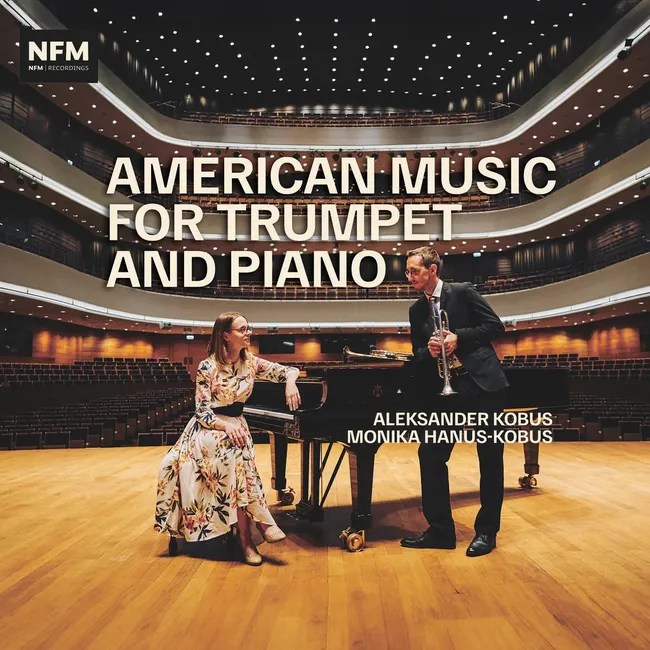
As a trombonist, I’ve had the privilege of collaborating on countless meaningful projects, but few have resonated as deeply as American Music for Trumpet and Piano. This album, led by Aleksander Kobus, the principal trumpet of the NFM Wrocław Philharmonic, and his wife the exceptional pianist Monika Hanus-Kobus, brings to life a rich tapestry of North American compositions spanning six decades.
When Alek invited me to contribute, I was instantly drawn to his vision: a celebration of the trumpet’s pivotal role in the cultural fabric of the United States. From its roots in jazz and marching bands to its prominence in orchestral masterpieces, the trumpet tells a story of resilience, innovation, and artistry. Adding trombone to this narrative felt to me like an opportunity to bring depth and texture to an already remarkable musical journey.
The repertoire is a showcase of creativity and contrast, reflecting the evolution of Neoclassicism and tonal music. Pieces by composers like Halsey Stevens, Joseph Turrin, and Kevin McKee pushed us to explore the delicate interplay between tradition and modernity. Each composition presented a new challenge: to blend the warm, lyrical voice of the trombone with the trumpet’s brilliance and the piano’s expressive power, creating something truly unique.
The recording process was a harmonious collaboration between respected colleagues. Alek’s clarity of vision and Monika’s artistry made every session feel like an inspired dialogue. We shared ideas and embraced the nuances of each piece, united by a common goal—to honor this music and bring it to life with authenticity and passion.
The premiere performance on December 19, 2024, was unforgettable. Performing these works live, feeling the energy of the audience, and seeing our interpretations resonate beyond the studio was both humbling and exhilarating. Supported by the National Forum of Music and CD Accord, the album’s release is a moment I’ll treasure—a celebration of the trumpet’s legacy and the beauty of North American music.
As the album reaches new listeners, I hope it sparks the same sense of wonder and connection we experienced during its creation. It stands as a testament to the trumpet’s enduring legacy, the richness of American compositions, and the profound power of collaboration that unites musicians across the globe.
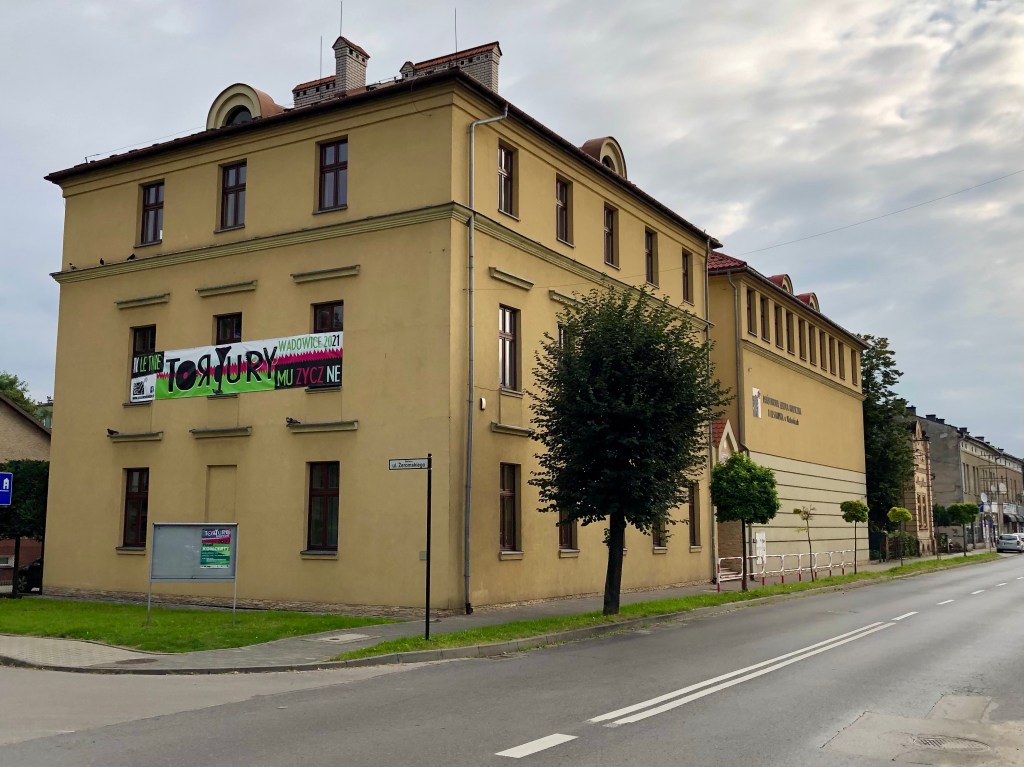
W czasie tegorocznych wakacji miałem zaszczyt brać udział jako wykładowca w IV Letnich Torturach Muzycznych w Wadowicach – kursach, które odbywały się między 20 a 28 sierpnia.
Państwowa Szkoła Muzyczna I i II stopnia w Wadowicach
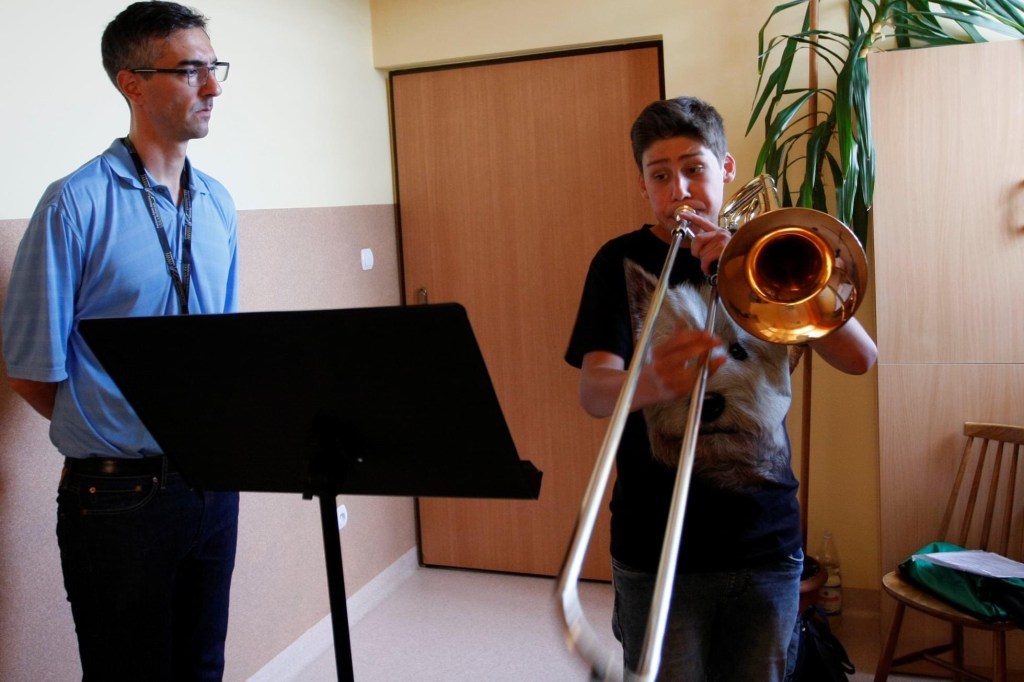
Każdy dzień zaczynaliśmy rozgrzewką, skupiając się przede wszystkim na oddychaniu, emisji dźwięku oraz innych elementach, które tworzą podstawę w rozwoju i ulepszaniu gry na puzonie.
Po rozgrzewce pracowałem z uczniami nad przygotowaniem utworów. Podczas tych zajęć skupialiśmy się głównie na elementach muzycznych, takich jak charakter, frazowanie, itd.
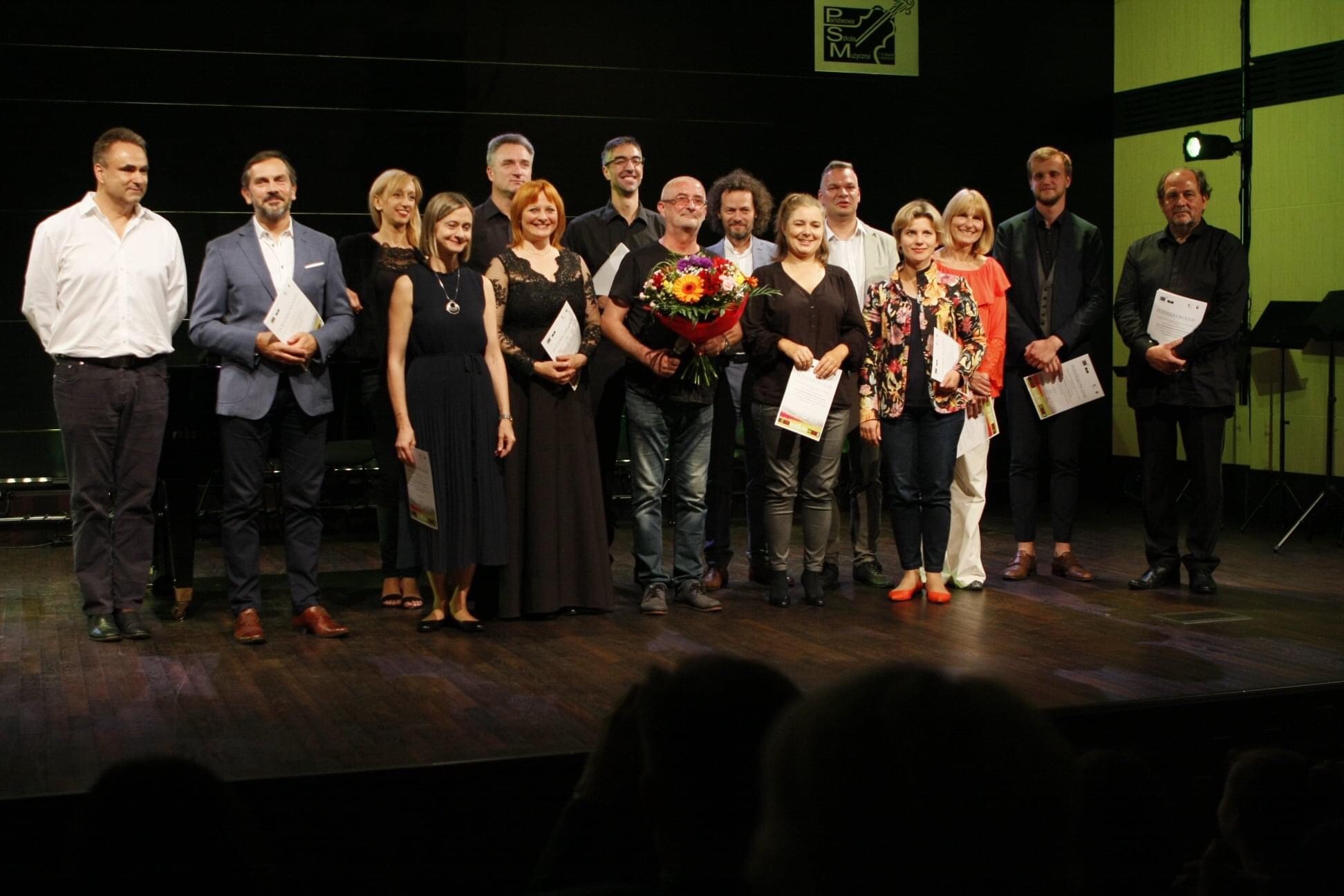
Oprócz tych codziennych zajęć i rozgrywek, miałem przyjemność wziąć udział w zaplanowanych koncertach, z big bandem „Esposas” pod kierunkiem Ryszarda Krawczuka, a także z orkiestrą dętą, pod batutą Mariusza Płonki.
W towarzystwie znakomitych muzyków miałem możliwość wystąpić jako solista, przy akompaniamencie Małgorzaty Pieniążek oraz w utworze “Fandango” Josepha Turrina z Anną Mendoncą przy fortepianie i Jakubem Waszczeniukiem na trąbce.
Chciałbym bardzo podziękować organizatorowi, Panu Janowi Kamińskiemu za zaproszenie oraz pogratulować wszystkim wykładowcom, uczniom, a także woluntariuszom, za wspaniałą robotę i stworzenie miłej atmosfery podczas tego znakomitego, a przede wszystkim intensywnego wydarzenia muzycznego!
2020 is proving to be a very challenging year. All of us have been affected in one way or another by the COVID-19 pandemic, with human losses being the most tragic consequence. Many cultural events have been put on hold as a result, turning what, at first, we thought would be a brief halt, into a crisis as severe, if not more so, than the financial fallout of 2008.
However, through readily available technology, as well as the determination and altruism of performers and organizers, music has still had the power to reach audiences. This was certainly the case with this year’s Żywieckie Suwakowanie trombone festival, which normally takes place during the summer, in Żywiec, Poland.
I had the honor of taking part in this year’s event as a soloist, a member of the Trombosphere trombone octet, and as an educator, offering private instruction over the web.
The festival also included daily lectures from renowned trombone players from within Poland. Recordings, of which, are available at the festival’s YouTube channel.
Trombosphere performed the inaugurational concert with selections by Ewa Fabiańska-Jelińska, Johann Sebastian Bach, Franz Biebl, Gordon Jacob, Pyotr Ilyich Tchaikovsky and John Williams.
Inauguration concert featuring Trombosphere, Regina Gowarzewska, presenter
On Friday, September 25th, I performed Sonatine for Trombone and Piano by Jacques Castérède alongside, wonderful pianist, Monika Hanus, as part of a special showcase for soloists.
In order of appearance: Eloy Panizo Padron, Monika Hanus, Zdzisław Stolarczyk, Mirella Malorny-Konopka, Karol Gajda, Jakub Urbanczyk, Natalia Domanska, Tomasz Hajda
Trombosphere closed the festival with a concert of popular upbeat selections. Listening to them, I cannot help but feel optimistic that we will navigate our current situation and we’ll be able to see each other in person at next years’ festival, in Żywiec.














 Eloy Panizo Padrón